Breaking the Fast after Yom Kippur

After fasting for Yom Kippur in which no food or water is consumed for over 25 hours, most Jews heartily welcome the day after, where the fast is officially broken and deliciousness is consumed.

So what is generally eaten?

The answers range, according to culture:

  •  Iranian Jews often eat a mixture of shredded apples and rose water called faloodeh seeb.
  •  Polish and Russian Jews take to some tea and cake.
  •  Syrian and Iraqi Jews prefer round sesame crackers that look like mini-bagels.
  •  Turkish and Greek Jews partake in a sweet drink made from melon seeds.

In American Jewish households, I found delicious recipes to break your fast deliciously (see the link below). they include:

  •  Herring In Cream Sauce With Apples And Walnuts
  • Lox, Eggs, And Onions Quiche
  • Carrot Cake Kugel
  • Cheese Blintzes With Cherry Sauce
  • Chocolate Chip Rugelach

Is someone you know celebrating this High Holiday? Send them one of our Yom Kippur ecards from our collection.
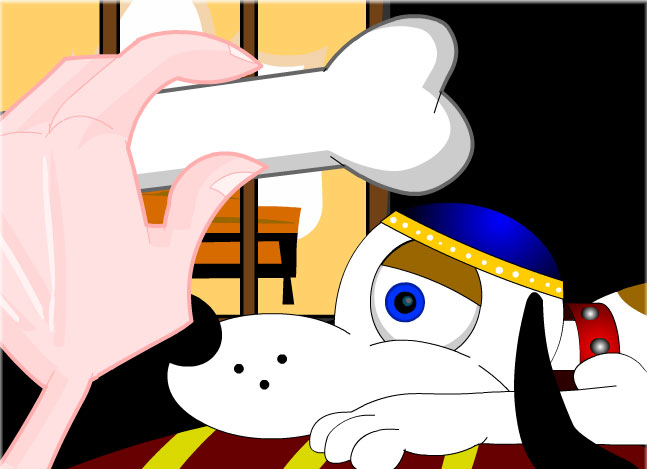
The Puppy is fasting, and will not break it for even a bone. Good puppy!

Here is the site with all the delicious recipes: http://main.kitchendaily.com/2010/08/23/yom-kippur-break-the-fast-recipes/
What is your Yom Kippur? Will you Forgive or Ask for Forgiveness?

“No sin is so light that it may be overlooked. No sin is so heavy that it may not be repented of.”  – Moses Ibn Ezra

As a curious and open-minded individual, I’ve come to embrace aspects of all holidays. Each offer up history, lessons, traditions and reflections that we can all learn something from. Yom Kippur is certainly one.

So what is Yom Kippur?

Yom Kippur is the holiest day of the years for Jews. It is also called the Day of Atonement, a 25-hour period dedicated to fasting, intensive prayer and a long visit to your synagogue. Even those who aren’t overly religious tend to regard Yom Kippur seriously (meaning the synagogues are packed).

There are three essential components of Yom Kippur:

  • Teshuvah (Repentance)
  • Prayer
  • Fasting

The ten days prior to Yom Kippur are dedicated to repentance. One should seek out and request forgiveness to anyone he or she offended so that the New Year can begin with a clean slate.

Here’s the interesting part: if your first request is rebuffed, you should ask at least two more times. At that point, the offended should grant you forgiveness.

What a cool tradition! It seems to take into account that forgiveness is a process, not a split-second occurrence. Forgiveness can also require several attempts (who doesn’t get that?).

And let’s not forget: the scorned party must also do his or her part. In short, when someone has reached out to you several times, requesting heartfelt forgiveness, it is also your moral duty to accept it to the best of your degree.

Couldn’t we all stand for that “clean slate” feeling. This Yom Kippur, Jew or Gentile, why not seek out the people with whom you can make amends? Yes, it certainly takes courage and resolve…and it often takes several attempts. But you’ll feel a weight lifted, simply by reaching out and trying.

And maybe, just maybe, when more of us seek out forgiveness during a certain period of time, it heals the world that we live in, even just a little.

Is someone you know celebrating this High Holiday? Send them one of our Yom Kippur ecard from our collection.

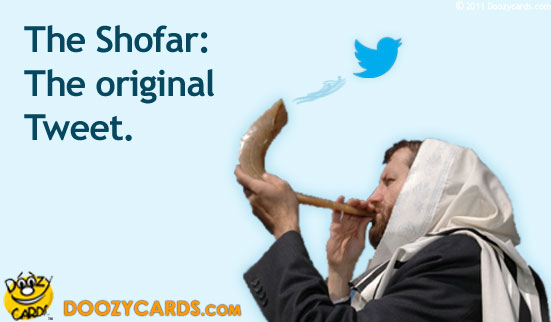
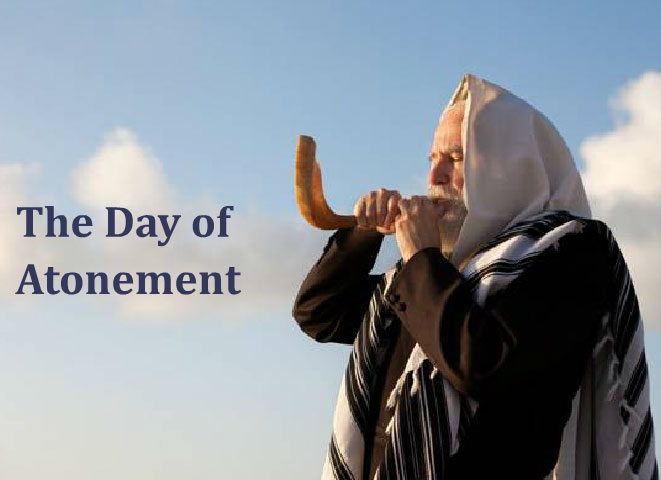
The blowing of the Shofar, a ram’s horn.

New Jewish New Year ecards – the MacIntoshowitz Brothers

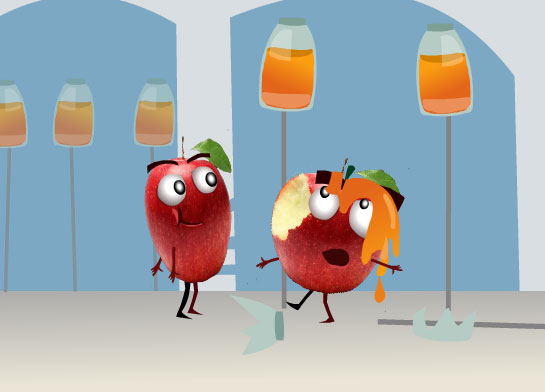
We are thrilled to present the newest of our Rosh Hashanah ecards, “Vaudeville Apples”!

In the best tradition of making inanimate objects behave like petulant children, we thought we’d offer everyone celebrating the Jewish New Year some levity centered around the year-sweetening practice of apples dipped in honey. Put your hands together for Manny and Marty, The McIntoshowtiz Brothers and their Amazing Spinning Pots of Honey trick!

Watch (and send) the Vaudeville Apples card yourself, and have a very Happy New Year! L’Shana Tovah!


Rosh Hashanah 2012 – The Basics

I must confess, I was not that aware of the specifics of Rosh Hashanah traditions. After some research, I feel much better equipped to share with you my fresh knowledge.

What is Rosh Hashanah?

Rosh Hashanah is the Jewish New Year. It’s different from the secular New Year on January 1, which is about over-indulgence, soon-to-be-broken vows to diet and football games.

Rosh Hashanah focuses on reviewing one’s actions over the past year and how God judges them. Jews are encouraged to make amends with anyone they have hurt or wronged and make improvements for the coming year.

When does Rosh Hashanah begin?

Rosh Hashanah 2012 begins at sunset Sunday, September 16 and ends in the evening of Tuesday, September 18. It is usually in September, sometimes in October.

What are some of the traditions of Rosh Hashanah?

Since Rosh Hashanah is a festive day, it’s marked with lots of good food, which include: apples dipped in honey (for a sweet year ahead), challah (a round version of the traditional braided egg bread that represents the circle of life), honey cake, “new” fruit (a fruit recently in season) and fish.

Another tradition on Rosh Hashanah is the blowing of the shofar. Just like many other important ceremonies, the trumpeting sound signifies celebration.

Here are the absolutely lovely words of the Blessing for the meal:

In a world of famine we have been blessed with plenty. In a world of hunger we have been blessed with sustenance. May this be the year in which we share the blessing of bread with all who are in need.

If you’d like to reach out to a friend or  loved one celebrating Rosh Hashanah this Sunday, we have a celebratory collection of ecards for Rosh Hashanah.

L’SHANA TOVAH! We here at Doozy are wishing everyone a HAPPY NEW YEAR!

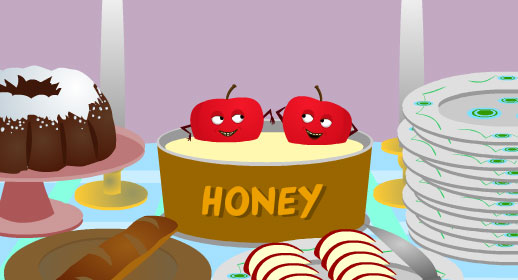
The boys in the honey Jacuzzi are in for a little surprise when dinner starts.

You can go here for more information on Rosh Hashanah: http://www.myjewishlearning.com/holidays/Jewish_Holidays/Rosh_Hashanah/At_Home.shtml

Here’s an interesting video on the blowing of the Shofar: http://www.youtube.com/watch?v=u6iNXRVN-WE